Perfection, in every season
Sequoia & Rose is for those who dream. We make dreams real.
You know a beautiful garden when you see it. The grass you want to lie on, the meadow to stroll through, the bench where an afternoon disappears. We make the kind you have always wanted, but one with a spirit of its own. It becomes more than a yard. It becomes somewhere you never quite want to leave.
Design, build, steward
Every home and garden moves through three stages, drawn on paper, built on the ground, and kept as it matures. Each discipline below belongs to one of the three.
Spend less on the garden, every year
We read the yard you already have: the soil, the light, the drainage, and the health of what is growing. Then we guide your watering, weeding, and pest care, so the lawn stays greener and hardier on less water, safer for your family, and cheaper to keep. You leave with a roadmap for how the yard can grow and where a change would be worth it. Anyone can receive a one-time consultation, complimentary. Members receive an annual review.
The portfolio
A gallery of pictures and video from the properties we tend, shared with clients and with homeowners considering us. Create a login, ask, and we will open it for your account.
We are not the usual contractor. Our designers, ecologists, and master craftsmen work in-house, with our own tools and methods, supported by our own supply chain, nurseries, and garden store. Every design starts with a proper read of the land, and every design comes to one table, where many eyes see more than one way forward. We hire locally, share our profits with the people who do the work, and add no markup to anything we buy for your yard. All of it gentle on the environment, and often gentler on the price than what you pay now.
Sequoia & Rose LLC · Massachusetts Home Improvement Contractor Registration No. 220437
Gardens for Greater London's finest properties
A London garden, kept the way the best ones always were. Walled town gardens, courtyards, and city squares, tended through the seasons. We read the site first: the soil and light, the water and slope, and how you use the garden. Then we plant for the long term and tend with a light hand, so it looks its best in every season and asks for less as it settles.
Gardens kept on membership, through the year
Our fine gardening, brought to the gardens of Greater London, and held to old traditions rarely kept in the modern age. Gardens in our care deepen; they do not merely stay tidy.
Ecological Niche
Our foundational membership, seasonal gardening and maintenance, kept on a steady rhythm through the year.
- Weekly mowing up to 2,500 sq ft, any turf type
- Spring dethatching
- Bioweave Turf: one application each autumn. Aeration, our proprietary Bioweave seed mix, and our proprietary bio food with beneficial soil microbes. Your own lawn, made thicker and deeper rooted rather than replaced.
- Hand weeding
- Spring and autumn cleanup
- Annual shrub pruning
- Irrigation spring open and autumn close
- EcoSave: a consultation and roadmap, every year
- Landscape Design: a one-time design
- Member Pricing: 15% off all landscape, hardscape, and aquascape installs
Garden Gaia
A fuller membership, more frequent, more comprehensive care across the season, with the home services included.
- Weekly mowing up to 5,000 sq ft, any turf type
- Spring dethatching
- Bioweave Turf: two applications a year, so the lawn thickens faster. Autumn aeration, then spring and autumn sowing with our proprietary Bioweave seed mix and our proprietary bio food carrying beneficial soil microbes. Your own lawn, made thicker and deeper rooted rather than replaced.
- Annual soil test, with pH amendment where needed
- Hand weeding
- Spring and autumn cleanup
- Annual shrub pruning
- Irrigation spring open and autumn close
- All irrigation repairs, excluding parts
- Shrub disease treatment
- EcoSave: a consultation and roadmap, every year
- Grow Your Garden: 50 perennial plugs and 50 autumn bulbs each year
- Member Pricing: 15% off all landscape, hardscape, and aquascape installs
- Landscape Design: a consultation each year
- Seasonal Colour: 20 spring annuals and 20 autumn mums, planted for you each year
- Interior Painting: 32 hours, November through March, offered by seasonal availability, with earlier requests scheduled first
- Gutter Cleaning: each autumn
Total Care
- Everything in Garden Gaia
- Emergency Plumbing and Electric: visits and assessment included; repairs billed hourly
- 16 hours of service a year, accrued monthly and carried to the next year, up to 32 hours
Ultimate Care
- Everything in Total Care
- House cleaning every other week*
Custom
For larger or more complex grounds. A bespoke arrangement, shaped to the property.
*Priced for a typical property. Larger grounds are quoted to the property.
Plan care is fixed for your term. Perks are set season to season, and the perks published when you join are honoured through your year. None of it is free: the membership pays for it, once and plainly.
Structure and restraint
A London garden rewards restraint: clipped evergreen shapes, climbers trained over wall and frame, and quiet green that holds all year. We plant for the long term and tend lightly, so it looks after itself a little more each year.
The portfolio
A gallery of pictures and video from the properties we tend, shared with clients and with homeowners considering us. Create a login, ask, and we will open it for your account.
We are not the usual contractor. Our designers, ecologists, and master craftsmen work in-house, with our own tools and methods, supported by our own supply chain, nurseries, and garden store. Every design starts with a proper read of the land, and every design comes to one table, where many eyes see more than one way forward. We hire locally, share our profits with the people who do the work, and add no markup to anything we buy for your garden. All of it gentle on the environment, and often gentler on the price than what you pay now.
Gardens for the finest properties of Osaka and Kyoto
For the finest gardens of Osaka and Kyoto, tended in the old traditions, with patience and a light hand. Where you wish, we also care for the pond and keep the tea house. Membership here is by enquiry, for a small number of gardens.
Two ways to be tended
Fine gardening to the highest standard through the seasons. Where a garden has water and a tea house, we keep those in the old way too.
Landscape Membership
Ecological fine gardening and landscaping, kept to the highest standard through the seasons. Landscaping only.
Garden, Pond & Tea House
Ecological fine gardening and landscaping through the seasons, with the ongoing care of garden ponds and the upkeep of a tea house, for traditional Kyoto gardens.
Pines, moss, water, and stone
Pines and maples, moss and stone, still water and the space around it, kept in the Kyoto tradition. Where there is a pond or a tea house, we keep those too.
We are not the usual contractor. Our designers, ecologists, and master craftsmen work in-house, with our own tools and methods, supported by our own supply chain, nurseries, and garden store. Every design starts with a proper read of the land, and every design comes to one table, where many eyes see more than one way forward. We hire locally, share our profits with the people who do the work, and add no markup to anything we buy for your garden. All of it gentle on the environment, and often gentler on the price than what you pay now.
To the same standard, anywhere in the world
Beyond our home regions, work is taken on by project: design and installation rather than ongoing care.
The full making of a garden
We keep design, planting, stone, water, and carpentry all in-house. So the parts are not just delivered side by side, they are composed into one place. That is the real difference: not any single piece, but how they come together. Whatever the scale, from a single courtyard to an entire estate, our experience and our crew can carry it.
Design
Site-specific, ecologically layered planting design, resolved from a reading of the soil, the light, and the setting.
Hardscaping
Terraces, walls, paths, and stonework, the structure a garden is built upon.
Carpentry
Garden houses, tea rooms, and fine indoor–outdoor carpentry, made to the setting.
Aquascaping
Ponds and water, designed and constructed as part of the whole.
Kitchen gardens
Productive gardens laid out and built for the way a household grows and eats.
Landscape Installations
Planting, hardscape, water, and carpentry, installed at any size, for homes and commercial grounds.
Beyond landscape architecture
We make landscape art, work that goes beyond landscape architecture: stone and plant, water, woodwork, and sculpture, composed as one and built to last.
We are not the usual contractor. Our designers, ecologists, and master craftsmen work in-house, with our own tools and methods, supported by our own supply chain, nurseries, and garden store. Every design starts with a proper read of the land, and every design comes to one table, where many eyes see more than one way forward. We hire locally, share our profits with the people who do the work, and add no markup to anything we buy for your garden. All of it gentle on the environment, and often gentler on the price than what you pay now.
Grounds worthy of the property
Installations and care for commercial properties: function and beauty to the mark you set, delivered with the quality we are known for worldwide. In our home regions this runs year round. Elsewhere, we take it on by project, design and installation rather than ongoing care.
Grounds suited to the property
Hotels
Guest-facing grounds where arrival and setting are part of the stay. Seasonal planting, refined entrances and courtyards, and upkeep timed around guests.
Established businesses
Offices and corporate properties that need a consistent, well-kept appearance with minimal disruption to the working day.
Condominiums
Shared common grounds governed by an association or board. Predictable scheduled care, a single point of accountability, and consistency year over year.
Schools
Campus grounds where safety and durability matter, with work scheduled around the academic calendar.
Parks
Larger public grounds and naturalized areas with heavy use, suited to native and ecological planting, with conservation work available at scale.
Government
Municipal and public properties with public-space upkeep and, often, procurement requirements. Native and ecological planting at scale.
Steady, year to year
It starts with a proper read of the land, then low-input care to keep it. One person answers for the work, and the work answers for itself, season after season.
We are not the usual contractor. Our designers, ecologists, and master craftsmen work in-house, with our own tools and methods, supported by our own supply chain, nurseries, and garden store. Every design starts with a proper read of the land, and every design comes to one table, where many eyes see more than one way forward. We hire locally, share our profits with the people who do the work, and add no markup to anything we buy for your grounds. All of it gentle on the environment, and often gentler on the price than what you pay now.
Craft and conservation
This is for those who want every part of their grounds held to one standard, the finest.
Beyond planting and care, we work in specialist trades: timber, stone, water, food, and the return of wild ground. Each is kept in-house. Each can stand alone, or become part of a whole landscape.
The home itself, kept to the same standard as the grounds
This is for those who want meticulous care for their home, from the finest craftsmen, ones who tend it as if it were their own and go beyond what is asked to do what is needed.
We can reimagine your indoors, or maintain it with the utmost care. Our teams bring a global toolkit of knowledge and experience to build exquisite living spaces, indoors and out. Our craftsmen come from across the world, masters of their trades, and they work alongside our local crews, who train in both traditional and modern technique so that nothing we care for depends on any one pair of hands. Everything kept in-house, and priced the way everything here is priced: you pay for the work, never a markup on the materials.
What we offer:
Painting · Fine plaster · Flooring and wood floors · Fine carpentry (custom cabinetry, custom furniture, mudrooms, libraries, bars) · Plumbing · Electrical · Asphalt and paving · Everyday repairs · Remodels (kitchens, bathrooms, and full-house remodel and construction)
Tell us what the home needs, and we will be in touch.
Sequoia & Rose LLC · Massachusetts Home Improvement Contractor Registration No. 220437
Beyond landscape architecture
This is for those willing to make a statement, who want something their grandchildren will remember, a garden of rare beauty that transforms the mind, body, and soul.
Some of what we make has no catalog. This is our most ambitious work: landscape as art, drawn for one place and built to last for generations, in the spirit of the great gardens of the past. Sculpture and statuary, water that moves through the grounds, pavilions and bridges in fine joinery. The kind of thing once built for estates and palaces, made now for those who want it.
A sundial set in stone where two paths meet. An island garden rising from its own pond, reached by a step of granite. Commissioned sculpture placed where the light finds it in late afternoon. Water made to move through the garden, falls, rills, and still pools, built to last generations. Pergolas, bridges, and tea houses in fine joinery, finished to the standard of the house itself.
These are commissions: designed for one place, and never repeated. Each begins with a walk of the property and a conversation about what the place is asking for, then we design, we price, and we build.
Drawn before it is built
This is for those who want to build the garden of their dreams, whether it is drawn in stone and water, a patio to enjoy for years to come, or simply a fire to sit around.
Every landscape begins on paper, drawn to its soil, light, and slope, and to how you will use it, before a spade goes in. What sets our drawings apart is what stands behind them: a large in-house team of architects, designers, and ecologists, growing space of our own, and access to stone and plants an ordinary yard cannot reach.
From paper to planting
The plan and the build stay with one team. Nothing is lost between a designer who drew it and a crew who never met them. What we draw is what we build.
What the studio keeps in-house
Most firms send this work out. We keep it under our own roof, and the result holds because of it.
Grown for the garden
In the United States and Japan we grow through nurseries of our own and dedicated space with growers we trust, propagating rare, native, non-invasive cultivars chosen to belong where they are set, not pulled from an ordinary trade yard.
Stone without limit
Access to an extraordinary range of stone and building materials, reclaimed cobble and paving, weathered granite, veneers, steps and coping, antique and quarried stone from New England, Europe, and beyond, curated to the project.
Dedicated specialists
Beyond the gardeners, the studio keeps its own hands for water, stone, conservation, and fine carpentry, so the expertise stays in-house and answerable to you.
Landscape art
A landscape is more than plants in the ground. We compose it: the long view and the near one, the path you walk, where the light falls in the afternoon, the one plant that anchors a bed. The aim is a place that feels like it was always there, and that changes how it feels to step outside.
Quiet method
We plant for the site rather than against it, and use less water, feeding, and pesticide. Ecology is how we work, not a banner over it.
From first visit to a garden that deepens
It starts with a proper read of the land, before anything is planted.
Assessment
A thorough read of the property, with an EcoSave consultation to reduce water, fertilizer, and pesticide use.
A plan
A planting and care plan drawn for the site’s own conditions, light, soil, drainage, and how the garden is lived in.
Planting and build
Beds, planting, and any stonework or structure, carried out by the studio’s own crews, many of them grown for the project in our nurseries.
Ongoing care
Care continues through the seasons on membership, tending the garden so it settles and deepens, and expanding it over time through Grow Your Garden.
It starts with you: how you want to use the space, what you like, and what you want it to become. We read the site, sketch a few directions, and refine one with you until it fits. A design can be as small as a planting plan or as big as remaking the whole grounds. Every one is drawn for its place. No two are alike.
Wood turned into masterpieces
This is for those who want one of the finest crafts the world has ever seen.
Timber worked by hand in the Japanese tradition, joined so it holds by its own fit. Gates, fences, arbors, bridges, screens, decking, and fine furniture, cut to the site and the wood. We work mainly in cypress and cedar, and finish each piece to suit it: left to silver over time, oiled, or charred in the yakisugi style.
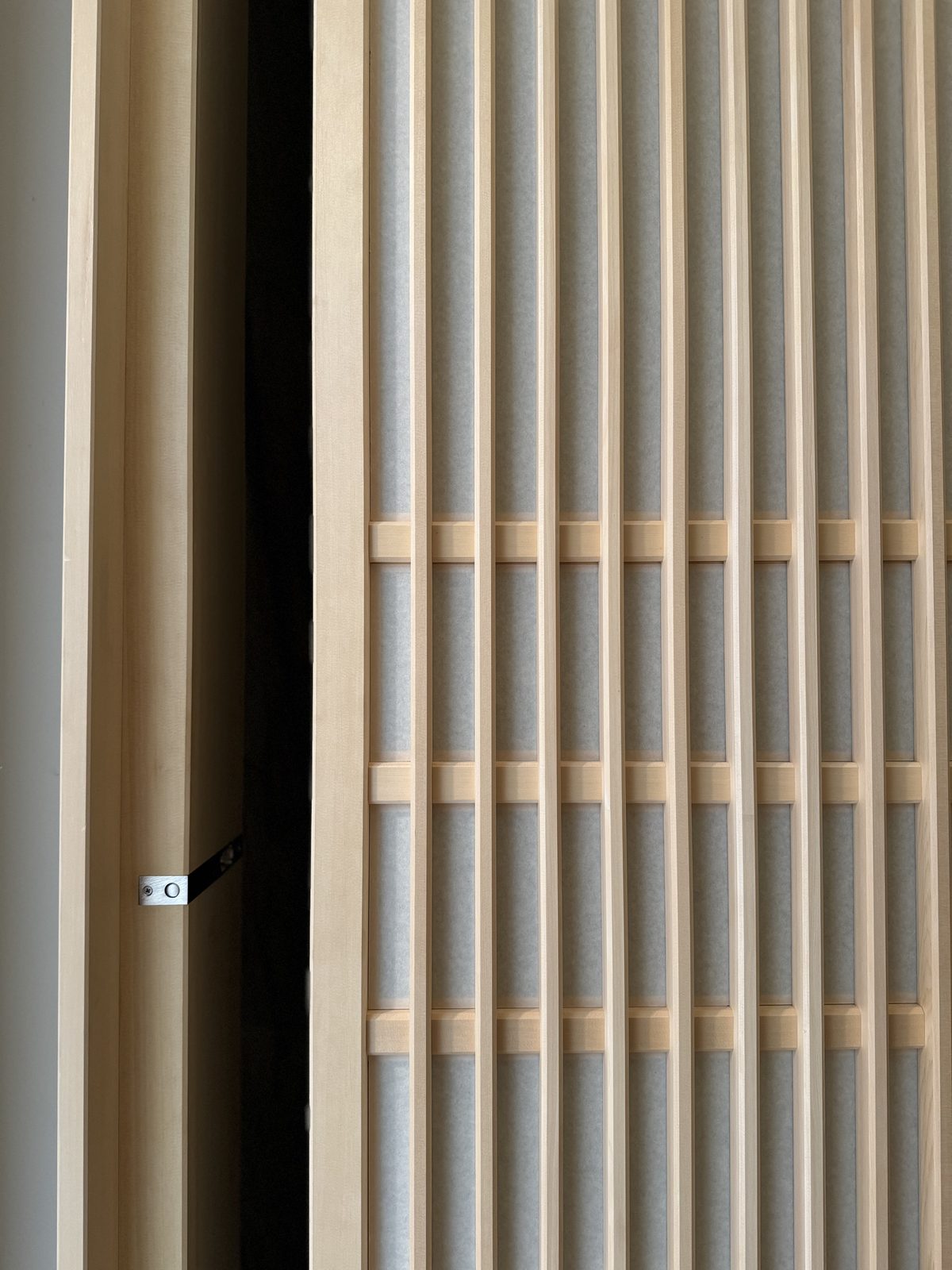
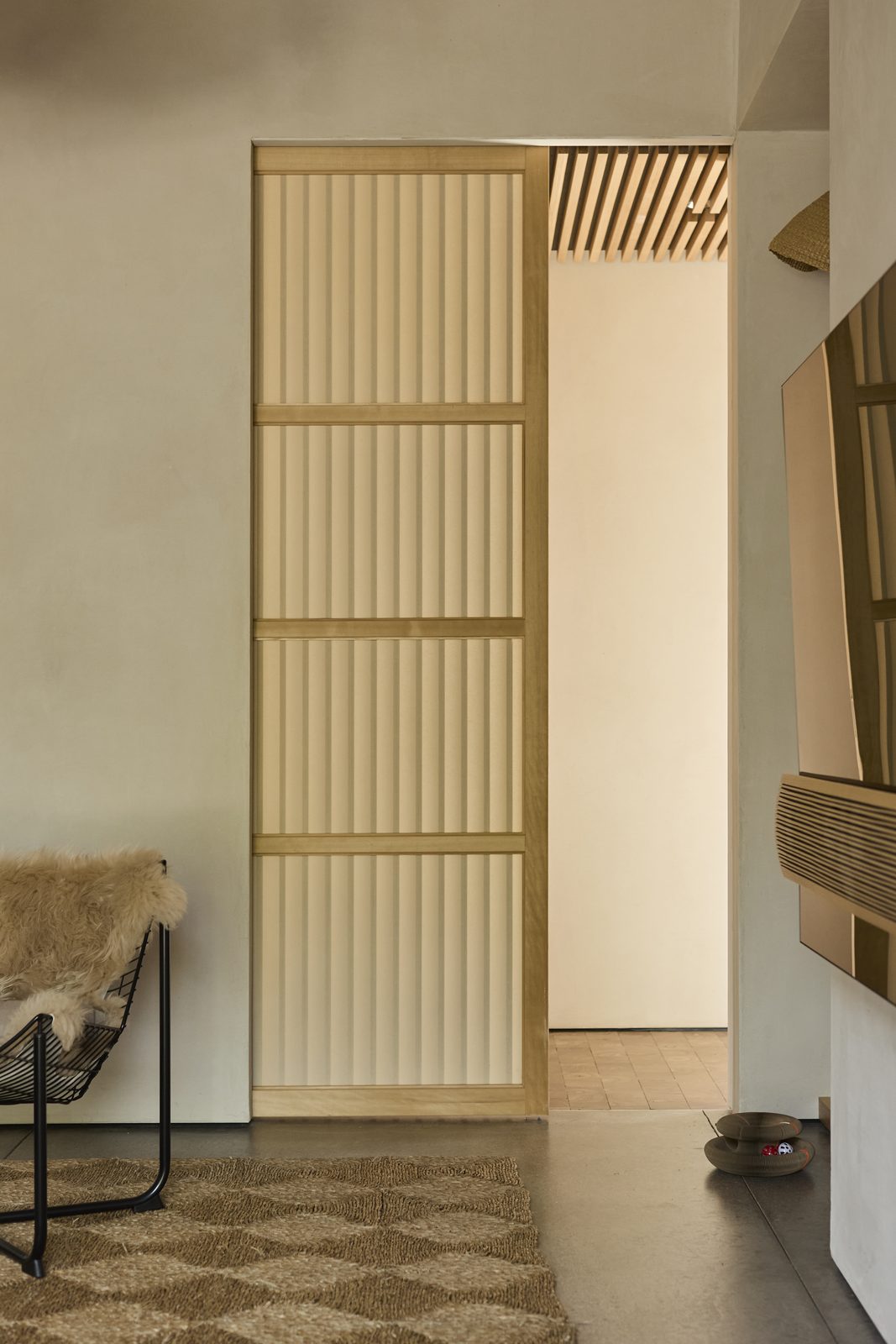
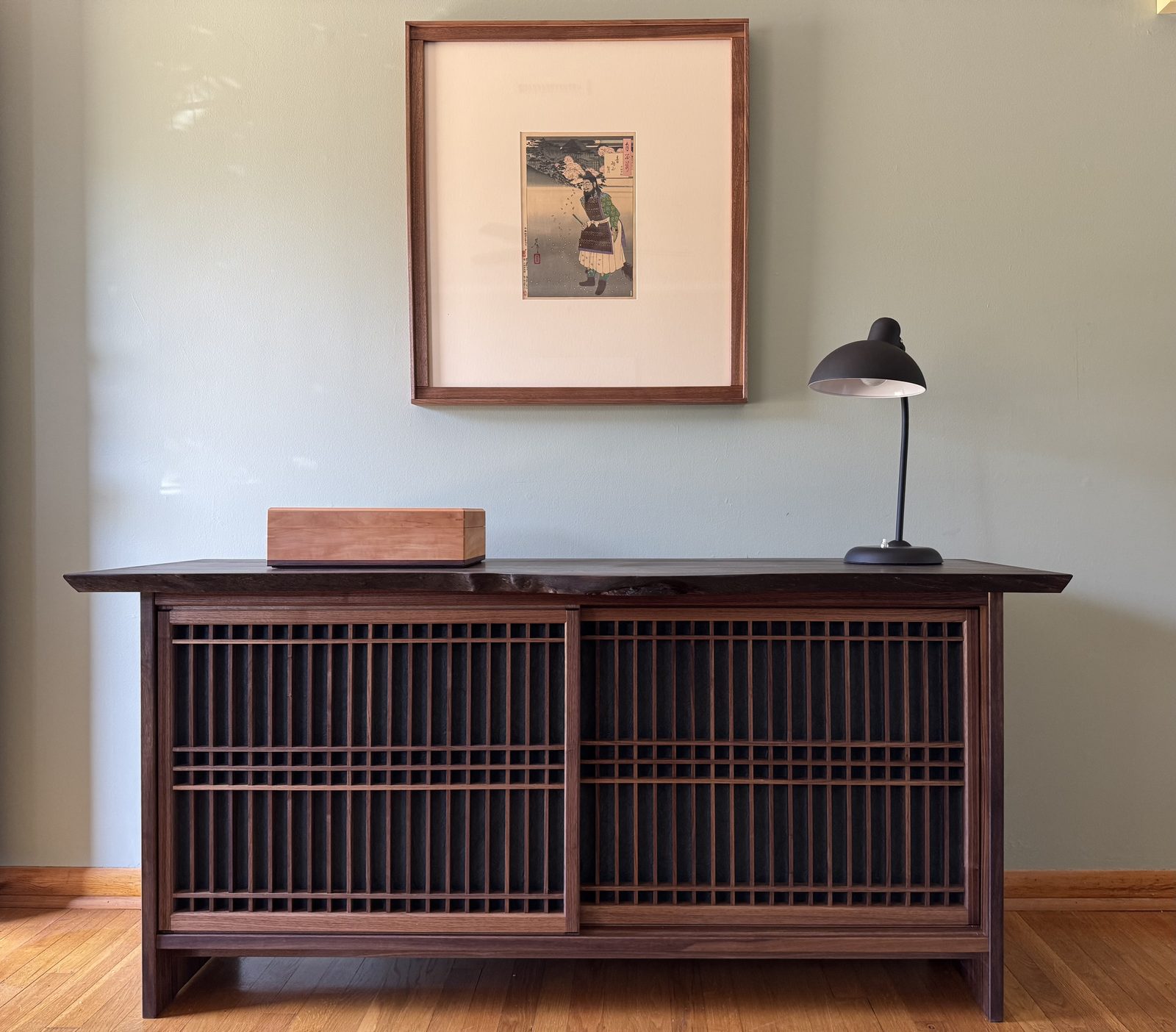
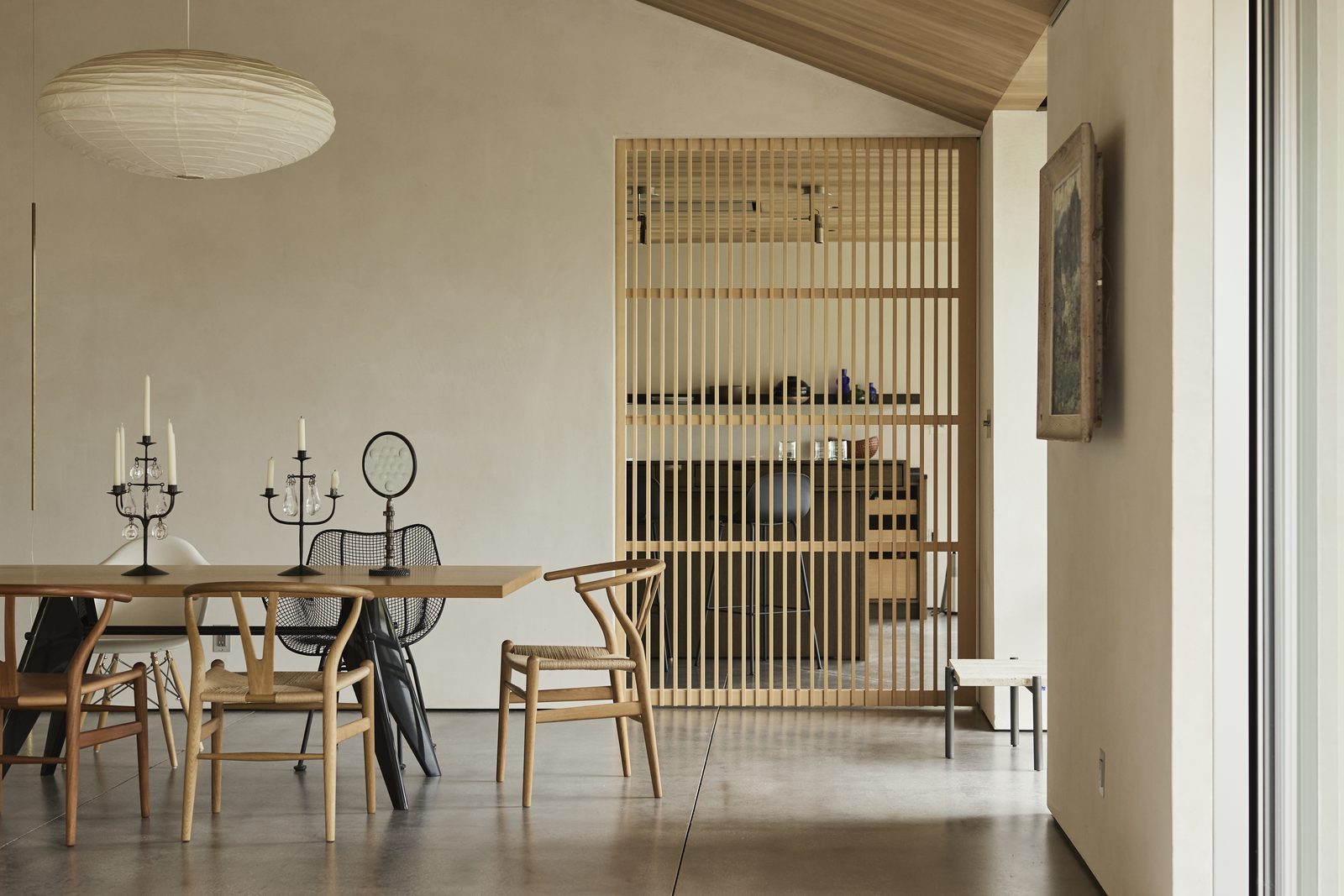
Work by our lead carpenter in the United States.


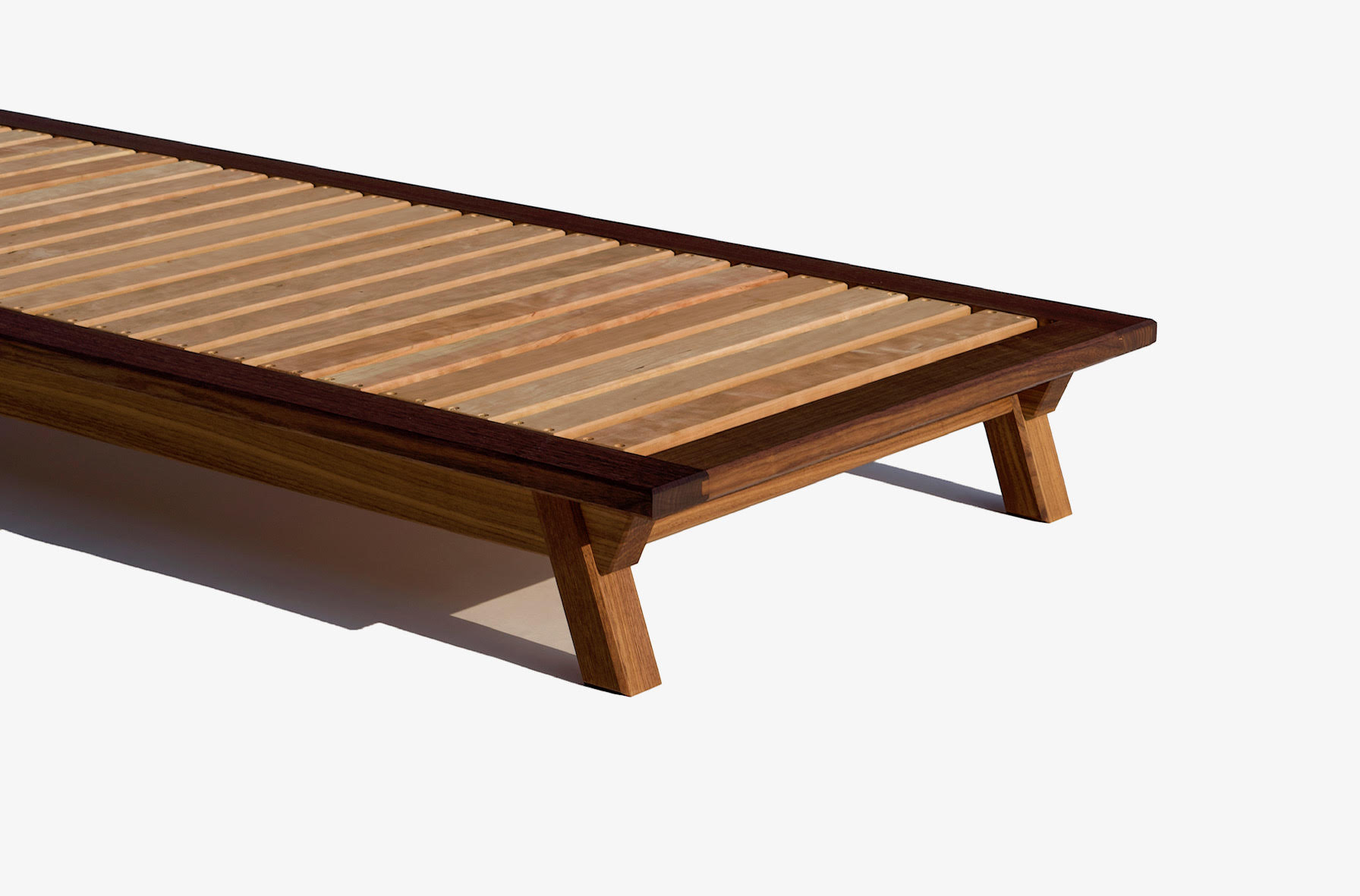


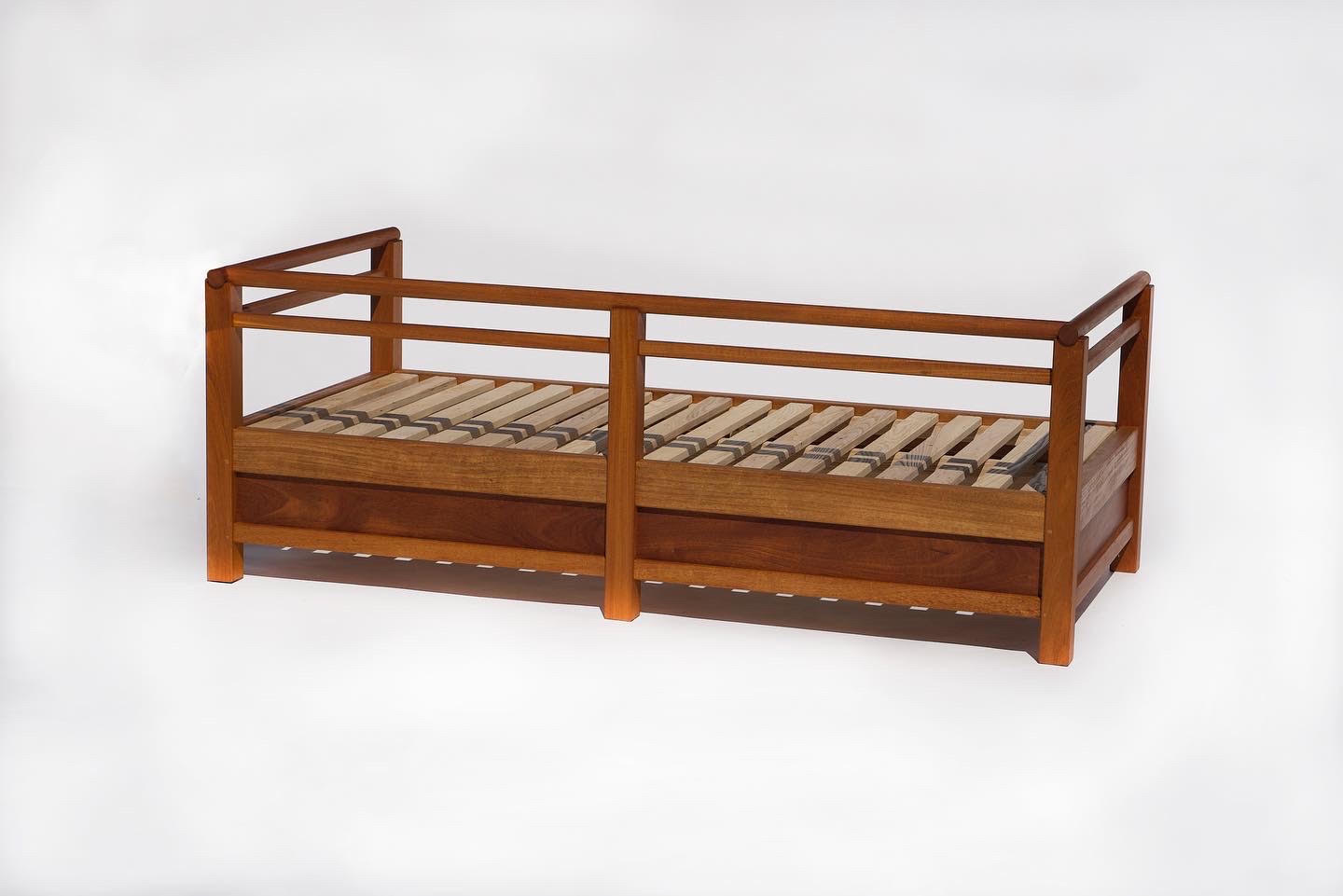
From tea houses to the finest joinery, each piece shaped for where it will stand.
- Tea houses
- Pergolas and arbors
- Garden archways
- Gazebos
- Custom outdoor and indoor furniture
- Shoji-style screens and sliding doors
- Windows and joinery, interior and exterior
Built to weather
Each piece is made for its place and its grain. Where the design calls for it, we join it to hold without hardware. Commissioned on its own or alongside a landscape, and made to age slowly outdoors.
Stone, without limit
This is for those who want the finest craft in stone and earth, whether brick, stone, or compacted ground.
Patios, retaining walls, terraces, steps, and paths, taken from excavation up at any scale.
Completed work and our hardscaping options, kept for members and for clients we are working with. Access is granted by the studio. Create an account and write to us, and we will open it for you.
The built structure of a landscape, the stone and grade that everything else is arranged around. We handle the work from excavation up, at any scale from a single path to a full transformation of the grounds.
- Stone patios
- Pathways
- Retaining walls
- Terraces
- Steps
- Foundations
- Driveways
- Outdoor kitchens
- Boulder and Japanese rock gardens
- Excavation and grading
- Complete outdoor remodels, small and large
Structure and line
Stone gives a landscape its bones: the paths you walk, the levels you move between, the lines that hold a planting together all year. Flagstone set into low planting, steppers run through moss and fern, fitted to the place, not stamped onto it.
Water, by design
This is for those who want a tranquil garden, and the sound of water that settles the body and quiets the mind.
Water by design: ponds, streams, waterfalls, and pools, both traditional and natural, set in so they look like they always belonged. The living ones we plant and circulate so they stay clear on their own, with little need for chemicals. Where you want a standard pool, we design the whole landscape around it, so the water sits at the heart of the place.
Still or moving, formal or natural.
- Ponds
- Waterfalls
- Streams
- Fountains
- Natural swimming ponds
- Pools
Natural swimming ponds are swimmable water kept clear by their own ecosystem of plants and life rather than chemicals. They freeze over in winter, which does them no harm, and ask little upkeep beyond some seasonal support.
Living water
Water in every form, used to pull a landscape together. Ponds and streams, waterfalls and fountains, and natural swimming ponds kept clear by their own ecology. Each one is shaped, planted, and set in to look like it was always there, for private grounds and hotels alike.
A paradise for nature
This is for those who want the wild brought close, a garden the birds and pollinators have reason to return to, season after season.
For those who want nature close at hand: a yard turned into a haven for wildlife. We read a property as a living system, the plants, the wildlife, the way water moves, and shape it to support what belongs, so the birds and pollinators come back. It can be as simple as an instant meadow, our custom meadow sod turns an ordinary lawn into a flowering meadow at once, or as deep as restoring wetland and habitat over years. This is our most involved work, and our most rewarding.
The work that keeps a wild landscape thriving, from the first assessment through years of quiet stewardship.
- Ecological assessment of plant and animal species
- Protecting and restoring habitat
- Managing invasive species
- Supporting native wildlife and local ecosystems
- Regulatory and wetland compliance
- Landscapes designed to hold water and build healthy, nutrient-rich soil
Shaped to the land, carried over years
This is bespoke, and starts with an enquiry rather than a set plan. We work from what the ground can hold, then tend it through the long settling that brings a place back toward wild.
Refined ground, set within wild nature.
Grown for the table
This is for the household, hotel, or restaurant that wants help bringing food to life from the ground, and setting a table from just beyond the door.
Kitchen gardens for homes, and farm-to-table gardens for hotels and restaurants, laid out to suit the land and the table. From a few pots of herbs to a garden that feeds a household. We plant it, tend it, and guide you: what to grow, when, and how to keep it producing through the season.
Beds and planters for the kitchen, and the greenhouses, coops, and outbuildings a working garden grows to need.
- Planters and raised beds
- Household and community food gardens
- Ongoing maintenance and seasonal planting guidance
- Greenhouses
- Chicken coops
- Fencing for livestock
- Barns and outbuildings
Food, planted with the land in mind
Vegetables, herbs, fruit, and cutting flowers chosen for the soil and the season, grown without heavy inputs. A garden that gives as good as it looks.
Built at any scale
This is for those ready to remake the whole of their grounds at once, from the first drawing to the final planting.
Landscape construction at any scale, from a small yard to the entire grounds of a hotel. Estates, city parks, civic and corporate landscapes, hotels, and major one-off builds. We are built to take on the hard ones: deep experience across every trade and a large crew mean we can carry a project most firms would turn down, and give a small yard the same care as a grand one. We design and build anywhere. In our home regions, we can keep it on membership afterward.
Work at scale
Homes
Homes of every size, from a small yard to the largest grounds, designed, built, and kept.
Estates
Private estates and their grounds, designed and planted at scale.
City & civic landscapes
Public parks, squares, and corporate grounds, naturalistic, ecological, and made to endure.
Hotels
Hospitality grounds and gardens, including farm-to-table kitchen gardens.
Large installations
Major one-off works, gardens, water, and built landscape, delivered as a project.
Made to last, made for the place
We build a landscape drawn from the place and its history, made to hold for generations. Every piece is designed and set with precision and knowledge. Whether indoors or out, every project we complete carries the Sequoia & Rose mindset.
Contact us
Every enquiry reaches a person, and every one is answered.
Reach out about anything: to schedule a free consultation, ask about a plan or a project, place an order from the garden store, or simply ask a question. Tell us a little about what you need and we will be in touch. We welcome all.
Prefer to talk? Call or text +1 781 200 9960, or write to hello@sequoiaandrose.com. The form works just as well.
Kept, season after season
This is for those who want the finest garden and lawn in the neighborhood, the one people stop to photograph, kept meticulously and without harsh chemicals, given the white-glove care most reserve for indoors.
The ongoing care that keeps a finished landscape looking its best, for homes on our membership plans and for commercial grounds at a larger scale. Not a service that mows and moves on. We keep a landscape the way a great house is kept: nothing overlooked, nothing let slip.
Kept this way, a place grows into itself rather than just staying tidy.
- Weekly mowing
- Spring dethatching
- Bioweave Turf: aeration, seed, and bio food
- Annual soil testing and pH amendment
- Hand weeding
- Seasonal cleanups
- Shrub pruning
- Irrigation, opened, closed, and kept efficient
- Snow, where the plan includes it
What is included varies by plan; the plans set it out in full.
For commercial grounds, the same care at a larger scale, more frequent visits where they are warranted, hardscape and pathways kept clean, plantings and seasonal color maintained.
Care that asks for less over time
A landscape kept this way needs less over time, but it still needs attention: the soil fed, the planting edited each season, the lawn and beds kept. A membership puts that on a steady footing and protects what was planted. A landscape is an investment, and the upkeep is what protects it.
Gardening and building traditions from around the world, kept here
Fine gardening in disciplines drawn from the great traditions of the world. A garden in our care will grow and thrive year after year.
All memberships
Every membership is currently by waitlist. Tell us about your garden and we will let you know when a place on the route opens.
Ecological Niche
Our foundational membership. Seasonal gardening and maintenance, kept on a steady rhythm through the year.
- Weekly mowing up to 2,500 sq ft, any turf type
- Spring dethatching
- Bioweave Turf: one application each fall. Aeration, our proprietary Bioweave seed mix, and our proprietary bio food with beneficial soil microbes. Your own lawn, made thicker and deeper rooted rather than replaced.
- Hand weeding
- Spring and fall cleanup
- Annual shrub pruning
- Irrigation spring open and fall close
- EcoSave: a consultation and roadmap, every year
- Landscape Design: a one-time design
- Member Pricing: 15% off all landscape, hardscape, and aquascape installs
Garden Gaia
A fuller membership. More frequent, more comprehensive care across the season, with the home services included.
- Weekly mowing up to 5,000 sq ft, any turf type
- Spring dethatching
- Bioweave Turf: two applications a year, so the lawn thickens faster. Fall aeration, then spring and fall sowing with our proprietary Bioweave seed mix and our proprietary bio food carrying beneficial soil microbes. Your own lawn, made thicker and deeper rooted rather than replaced.
- Annual soil test, with pH amendment where needed
- Hand weeding
- Spring and fall cleanup
- Annual shrub pruning
- Irrigation spring open and fall close
- All irrigation repairs, excluding parts
- Shrub disease treatment
- EcoSave: a consultation and roadmap, every year
- Grow Your Garden: 50 perennial plugs and 50 fall bulbs each year
- Member Pricing: 15% off all landscape, hardscape, and aquascape installs
- Landscape Design: a consultation each year
- Seasonal Color: 20 spring annuals and 20 fall mums, planted for you each year
- Snow Removal: storms 6 inches or over
- Interior Painting: 32 hours, November through March, offered by seasonal availability, with earlier requests scheduled first
- Gutter Cleaning: each fall
- Custom Furniture: 5% off custom indoor and outdoor furniture, tea rooms, garden houses, and fine Japanese carpentry
Custom
For larger or more complex grounds. A bespoke arrangement, shaped to the property.
Plan care is fixed for your term. Perks are set season to season, and the perks published when you join are honored through your year. None of it is free: the membership pays for it, once and plainly.
Total Care & Ultimate Care
Two fuller tiers, opening to members in stages. Current Ecological Niche and Garden Gaia members can join the waitlist now.
Total Care
- Everything in Garden Gaia
- Emergency Plumbing and Electric: visits and assessment included; repairs billed hourly
- 16 hours of service a year, accrued monthly and carried to the next year, up to 32 hours
Ultimate Care
- Everything in Total Care
- House cleaning every other week*
Add-ons
Beyond the membership, a few more services. Everything organic and biological.
Garden Immunity Program
The Garden Immunity Program reduces ticks and Japanese beetles naturally, by boosting the predators already in your soil that target their larvae. It goes after those two and nothing else, so people, pets, birds, and the beneficial insects a yard depends on are left completely alone. Applied by a licensed applicator.
Mosquito control
Traps that draw mosquitoes with carbon dioxide and light and capture them, thinning the population over the season. Nothing fogged, nothing sprayed.
Grub lawn treatment
Beneficial nematodes, microscopic soil organisms that hunt out lawn grubs and reduce them on their own. A living control, applied where grubs keep returning.
Water-retention granular
A granular soil treatment drawn from yucca root. It breaks the surface tension of water so it soaks in evenly rather than running off dry patches, and the ground holds what it takes in for longer. Plantings stay healthier through dry stretches and lean less on watering.
Extra plant-food application
Biofood, a worm-casting tea that feeds the soil and the microbes living in it, not just the plant. It gives the lawn and its plants the food they need to grow, and keeps the ground healthy without harming the native clover and other beneficial species a strong lawn depends on. Nothing synthetic.
Snow removal
Shoveling for paths and entries through winter; included free in Garden Gaia for storms 6 inches and over.
*Priced for a typical property. Larger grounds are quoted to the property.
A standing relationship, not a landscaper on a schedule
Our membership is meticulous care for your grounds. Every corner is tended in the finest detail, and our work is to amaze you every time you walk into your yard.
- Fine gardeningSeasonal craft and design on ongoing membership, opening with a proper read of the land before anything is planted.
- The Sequoia & Rose wayWe strive to set the global standard for the highest quality of work. Gardens we build and care for are passed down as precious heirlooms.
- A garden that growsGrow Your Garden expands and improves the planting season by season, so the garden deepens rather than standing still.
The plans that keep a garden
Maintenance is held on a membership, so the care is steady and the garden is protected rather than patched.
Bioweave
The Bioweave Turf System™ is a lawn system built on soil science rather than on a bag: eco-friendly, lower input, and healthier and greener for it. It grows a lush lawn without heavy nitrogen and without synthetic fertilizer, on far less water once established, and with far less running off into the ground.
Your lawn becomes thicker and more resilient. It stands up to drought and heat, recovers quickly from dog urine and heavy traffic, and needs less water and less feeding. Two parts do the work: our proprietary seed mix of hardy turf grasses, and our proprietary bio food carrying beneficial soil microbes. Bioweave is the organic program, eco-friendly and lower input; Bioweave Pro is the fuller program, for fairway-like turf. It restores the lawn you already have, or starts a new one from bare ground.
Sown into the lawn you have
We aerate the lawn, sow the proprietary Bioweave mix into the holes, and feed the soil with our bio food. Nothing is torn out. Your own lawn is made thicker and deeper rooted rather than replaced, and the stand improves over two or three falls.
Nothing synthetic
No synthetic fertilizer and no pesticides are part of Bioweave. The fungi carry water and minerals to the roots, the grasses root deeply, and with microclover, optional on Bioweave, the lawn draws some of its own nitrogen from the air. Once established it needs less water and less feeding than a conventional lawn. Bioweave Pro adds one application in May that is not organic, for crabgrass and grubs; the rest of the program is the same.
A thick stand leaves weeds little room. Bioweave crowds them out rather than spraying them, so the lawn gets denser each year instead of depending on treatment.
The science behind the approach
Modern grass varieties bred to stand up to heat, drought, shade and wear, several of them together rather than one, soil microbes that widen the reach of the roots, and a slow-release organic biofood that does not burn and feeds the grass the whole season while it builds the soil. Five things happen in the ground, and they happen at once.
Nitrogen out of the air
With microclover in the mix, an option on Bioweave, the clover makes its own nitrogen and leaves it in the soil where the grass can reach it. The lawn is fed a little at a time, by something living in it rather than by a bag four times a year.
A root system wider than the roots
Beneficial fungi reach out past the roots for water and minerals, and bind fine soil into crumbs so water soaks in rather than running off. We put them down with the seed.
Several grasses, not one
A lawn of one grass fails all at once. Ours carries several, modern varieties bred to stand up to heat, drought, shade and wear. Some root deep for water, some creep sideways and close their own gaps, some hold on in shade.
Fed all season, never burned
The biofood releases slowly, its nitrogen from poultry manure, so there is no flush and no burn. The grass is fed steadily from spring green-up to the first frost, and what the plant does not take stays in the ground and builds the soil.
Lower input, by design
Less feeding, less water, nothing sprayed. The lawn does more of its own work, so it costs less to keep and asks less of the ground and of the water beneath it.
Why it holds its color
Most lawns green up on a flush of nitrogen, then fade between feedings. This one feeds steadily and roots deeper, and with microclover in the mix it stays green through heat that turns grass dull.
Chosen after walking the property
Every Bioweave lawn starts from the same hardy grasses and the same soil biology. What changes is what is sown with them.
- SignatureThe standard Bioweave lawn. An entirely grass stand with the classic look, built on the hardiest of our turf selections.
- EnhancedGrass with a fine microclover woven through it, an option on Bioweave. The lawn carries more of its own feeding and asks for less: less water once it is set, fewer feeds, and a green that holds through heat. For families with children and pets who would rather put less on a lawn that is touched and used every day. Left to grow, the clover flowers.
- Meadows & flowering lawnsWhere a mown lawn is not the point. A true meadow cut once or twice a year, a flowering lawn that stays low, a no-mow lawn, or a custom lawn or sod designed for the property.
No two drums are the same
Before we blend a drum of seed we walk the property: how much sun each part of the lawn gets, the soil under it, the hardiness zone, the region. The varieties and their proportions change with what we find, more shade grasses along the north side, deeper-rooting selections on a dry slope, the balance shifted for a coastal site or a cold pocket. The drum that arrives at your house was blended for it.
The seed mixes, the treatments and the schedule are set for each region. What we sow and feed in New England is not what we sow in Greater London or Osaka–Kyoto, where the soils, the seasons and the grasses that thrive are different.
Bioweave and Bioweave Pro
Bioweave
An organic program that builds an eco-friendly, low-input lawn: thirteen varieties selected for drought tolerance and disease resistance, fed with organic biofood, holding its green through the season. Nothing synthetic and no pesticide of any kind. Included in every membership.
- September core aeration and overseeding, with starter biofood and worm casting tea
- April spring biofood and worm casting tea
- Mid May slow-release biofood and worm casting tea
- With or without microclover, blended for the house
Bioweave Pro
The fuller program, for the dense, even, fairway-like turf of fine estates and hotels: seventeen varieties across five species, all grass, topdressing after the September aeration, a fourth visit in the fall, and in May a stronger feed with crabgrass and grub prevention in place of the organic mid May feed. That one application is not organic.
- September core aeration, topdressing and overseeding, with starter biofood and worm casting tea
- October slow-release biofood and worm casting tea
- April spring biofood and worm casting tea
- Early May feed with crabgrass pre-emergent and season-long grub prevention
- All grass, no microclover, blended for the house
The schedule shown is New England's; each region has its own. Larger lawns are quoted to the property. Members already have Bioweave in their plan; ask us about Bioweave Pro.
With or without a membership
Bioweave is available on any property, with or without a membership. Members receive it in their plan: Ecological Niche once each fall, Garden Gaia twice, spring and fall. For everyone else we quote it by the property.
Our finished work
The clearest answer to the first question every homeowner asks: what does the work actually look like.
A collection of pictures and video from the properties in our care: gardens through the seasons, stonework, carpentry, water, and the lawns and meadows we tend.
These are private homes, and the people who live in them let us photograph their gardens on the understanding that the collection is shown to clients and to homeowners considering us, not published to the open internet. So the portfolio sits behind a login, and we open it person by person.
Create a login, ask, and we will open it for your account. There is no cost and no obligation; a login is simply how we know who is looking.
Already with us? Sign in and request access from your home screen.
How the Best Lawns Are Actually Kept
The best-kept lawns on high-end properties are not sprayed into shape. They are mowed constantly, fed slowly, seeded with better grass, and grown on living soil.
Most of it runs opposite to the standard four-to-six-visit spray program, which is built around a truck route rather than around how turf grows. None of it is secret, and most of it lines up with university turf research. This sheet is written for cool-season lawns in New England.
Mow every day, take almost nothing
The carpet look comes from mowing frequency, not from chemicals. High-end properties increasingly run wire-free robotic mowers that trim a few millimeters every day.
- Grass is never shocked. The old rule is never remove more than one third of the blade in one cut. A daily robot removes a tiny fraction of that.
- Constant light trimming pushes the plant to tiller and spread sideways, so the turf thickens and crowds out weeds on its own.
- The clippings are so fine they vanish into the canopy and break down within days. Returned clippings supply roughly a quarter of the lawn's nitrogen for the year.
- The machines are light, so there are no ruts, no wheel stripes of compacted soil, and no noise.
Keep the cutting height at 3 inches or more. Tall grass shades the soil, keeps roots deep, and blocks crabgrass seed from getting light. A crew still handles edges, corners, and beds, because robots do not edge.
Feed four times a year, slowly
Flawless lawns are fed four times, with the weight of the program in late summer and fall, when cool-season grass builds roots. Standard programs do the reverse: fast nitrogen in spring, because a quick green-up is what sells. That pushes soft top growth, thin roots, more disease, and a lawn that collapses in July.
| When | Why |
|---|---|
| Early spring (mid to late April, once the lawn is green and growing) | A light feed to wake the turf. Kept light on purpose, since heavy early nitrogen grows leaf at the expense of root. |
| Late spring (late May to early June) | Carries the lawn into summer with reserves. |
| Late summer, at aeration (late August to mid September) | The most important feeding of the year. Drives recovery from summer and feeds the new seed. |
| Fall (October) | Goes to roots and stored energy, not leaf. Gives the earliest, deepest green-up next spring. Applied while the grass is still green and soil is warm enough to take it up. |
Nothing goes down in the heat of July and August. A typical total is 2 to 3 lb of nitrogen per 1,000 sq ft for the year, less when clippings are returned daily.
Build the soil, not just the grass
The fertilizer of choice is slow-release and organic, so the soil life does the feeding. Organic nitrogen is only released as microbes digest it. The lawn gets a steady trickle instead of a surge: no burn, no flush of soft growth, very little washed away.
- The organic matter feeds the bacteria, fungi, and earthworms already in the soil. Over a few seasons that means better structure, better water holding, and thatch that breaks down on its own.
- Many premium products add beneficial microbes or mycorrhizae. They are worth having, though the steadier benefit is the organic matter itself. A quarter inch of compost raked in after aeration does the same work.
Grubs, the biological way
The standard program blankets every lawn with preventive insecticide every year, needed or not. A natural enemy of grubs can only persist if a few grubs are left for it to live on, so that blanket also wipes out the long-term control.
- Beneficial nematodes attack all the common grub species. They go down in late summer on moist soil and are watered in at once. Results vary with handling, and can be very good.
- Milky spore is a bacterium that infects Japanese beetle grubs and can persist for a decade or more where it takes hold. It cannot establish on a lawn treated with insecticide. One honest caveat: its record in the Northeast is weak, because soils here are cool and several of our lawn grubs (European chafer, Oriental beetle, Asiatic garden beetle) are species it does not touch.
- Dense, deep-rooted turf is the real insurance. A healthy lawn carries several grubs per square foot with no visible damage.
Two ways to handle grubs
Both start the same way in spring: a slow-release fertilizer granule that carries the crabgrass pre-emergent. That is not weed and feed, since it holds no broadleaf weed killer. The difference is what is done about grubs.
Insecticide, every year. A grub preventive is added to the spring application. It works, and the lawn shows no grub damage. It also leaves nothing for natural enemies to live on, so the protection ends when the product wears off and the treatment has to be repeated every spring, for good. Skip a year and the lawn has neither the product nor any natural enemies, which is when the worst grub damage shows up. Broad-spectrum products kill soil predators along with the grubs. Selective ones spare most of them, but the lawn still never builds any control of its own.
Nematodes, building over time. The spring application carries the pre-emergent only. Beneficial nematodes go down in late August as an evening soil drench, when the new grubs are small. Natural enemies need two to three seasons, and some grubs to live on, before they hold the population down. Patchy damage is possible in that window. After it, the lawn needs less and less help, because the nematodes work alongside the soil biology, flowers, and birds described in this sheet.
Owners who cannot accept any damage during the transition often start on the first path and switch once the turf is dense and deep rooted.
Pre-emergent, not weed and feed
Weeds are stopped before they sprout, not sprayed after. Weed and feed bundles fertilizer with a broadleaf weed killer and spreads both over every square foot, weeds or no weeds, at a time that is rarely right for either job.
- A crabgrass pre-emergent goes down once in spring, when soil reaches about 55 F. In eastern Massachusetts that is roughly when forsythia blooms, mid to late April. It is watered in and forms a barrier at the soil surface.
- The few broadleaf weeds that appear are spot treated or pulled. Thick turf mowed at 3 inches leaves them little room.
- Weed and feed granules have to stick to wet weed leaves to work. Most of the product lands on soil and does nothing except add herbicide to the yard. It also kills clover.
One rule follows from this: pre-emergent stops grass seed too. Seeding is never done in spring on a treated lawn. It waits for late summer, after the barrier has worn off, which is the better season for seed anyway.
Aerate and overseed every fall with diverse genetics
The lawn is core aerated and overseeded every year between late August and mid September, with a blend of elite cultivars from several species. Aeration relieves compaction and lets air, water, and seed into the soil. The seed is where the long-term quality comes from.
- Turf-type tall fescue roots 2 to 3 feet deep and holds color through heat and dry spells.
- Kentucky bluegrass spreads by underground rhizomes. It knits the lawn together and repairs bare spots on its own.
- Perennial ryegrass germinates in under a week and handles foot traffic.
- Fine fescues cover the shade.
Diversity is the point. A disease that takes one cultivar stops at its neighbor, while a single-variety lawn fails all at once. Each species also peaks in different weather, so the lawn looks even across sun, shade, wet years, and dry years.
Quality shows on the seed tag: named cultivars that score well in national NTEP trials, zero weed seed, zero "other crop." Many top fescues and ryegrasses carry endophytes, a natural fungal partner inside the plant that deters chinch bugs, sod webworms, and billbugs.
The result is a dense, deep-rooted turf that stays green through a typical New England summer while shallow-rooted lawns nearby go straw colored. Overseeding every fall keeps the stand young and keeps adding better genetics.
Water deeply, and less often
The target is about 1 inch of water a week, rain included, delivered in one or two long soakings rather than a short cycle every day. Roots grow to where the water is. Daily sprinkling keeps moisture in the top inch, so roots stay there and the lawn wilts the first hot week.
- Deep soakings wet the soil 6 inches down, and roots follow.
- Letting the surface dry between waterings starves crabgrass and other shallow weeds, and cuts down on fungal disease.
- Water between 4 and 8 in the morning. Evening watering leaves blades wet all night, which is how most lawn disease starts.
- A tuna can on the lawn shows how long the system takes to deliver an inch. A smart controller with a rain sensor then skips cycles the weather already covered.
New seed is the one exception. It needs light, frequent watering for the first three weeks, then a return to deep and infrequent.
Test the soil and fix the pH with lime
Turf takes up nutrients best at a soil pH of about 6.0 to 7.0, and New England soil drifts acidic on its own. Below 6.0, fertilizer is partly wasted, soil biology slows, and moss and weeds gain ground.
- A lab soil test every 2 to 3 years sets the lime rate. It also shows phosphorus, potassium, and organic matter, and a test on file is what Massachusetts rules require before phosphorus is applied.
- Lime goes down when the test calls for it, often every few years, never by habit. Too much lime causes its own problems.
- No more than 50 lb per 1,000 sq ft in one application. Larger corrections are split between fall and spring.
- Fall is the best season, and right after aeration is ideal, since lime moves slowly and the holes carry it down.
- The test also says which lime: calcitic when magnesium is adequate, dolomitic when it is low.
The finish: people, every week
What reads as flawless from the street is mostly grooming, and it is done by people on a weekly schedule. The robot handles the mowing, so the crew's hours go to detail work instead.
- A landscape crew cleans weekly: crisp bed and walkway edges, string trimming where the robot cannot reach, debris and leaves cleared, hard surfaces blown off.
- A gardener prunes shrubs by hand on the right schedule for each plant, rather than shearing everything into balls twice a year.
- Perennials and annuals are deadheaded through the season, which keeps beds blooming and tidy.
- The same weekly eyes catch problems early: a dry zone, a fungus patch, a broken sprinkler head. Small fixes made in week one are why nothing ever looks wrong.
Plant the borders for the predators
The beds and trees around a lawn are part of its pest control. Most lawn pests have natural enemies that need nectar, shelter, or a perch close to the turf. Give them that, and they do for nothing what an insecticide does for a season.
- Peonies for the grub wasp. Spring Tiphia is a small, solitary black wasp that lays its eggs on Japanese beetle and Oriental beetle grubs. It is already established across the Northeast and needs no release. The adults feed on peony nectar in May, and grub parasitism rises near peonies. They also feed in maple, cherry, and tulip trees.
- Small flowers for the hunters. Big-eyed bugs are the main predator of chinch bugs. Ground beetles, minute pirate bugs, and lacewings eat chinch bugs and the eggs of beetles and sod webworms. Beds of yarrow, mountain mint, golden alexanders, asters, and goldenrod beside the lawn feed and shelter them from spring to frost.
- Berry trees and shrubs for birds. Serviceberry, winterberry, viburnum, dogwood, chokeberry, and crabapple bring in robins, catbirds, bluebirds, and starlings. The same birds work the lawn for grubs, beetles, and caterpillars, most of all while feeding nestlings.
- Know the beetle magnets. Roses, lindens, grapes, and purple-leaf plum draw adult Japanese beetles, which then lay eggs in the nearest moist turf. They are best sited away from the finest lawn.
Why insecticide alone makes it worse
A broad-spectrum insecticide kills the predators and parasites along with the pest. The pest comes back first, because it breeds faster and flies in from elsewhere, and it returns to a lawn with nothing left to eat it. Michigan State's turf entomologist warns that a whole-yard application can eliminate chinch bug predators and cause a resurgence in the following years.
Predators, wasps, and birds range across property lines, so a lawn that removes them weakens control next door too. Japanese beetle traps have the same flaw: they lure in more beetles than they catch. When a treatment is truly needed, it goes on the damaged patch, not the whole yard, and a selective product is chosen over a broad one.
The year at a glance
Timing is for eastern Massachusetts and shifts a week or two with the season.
| When | What happens |
|---|---|
| Mid to late April | Light organic feed. Crabgrass pre-emergent at forsythia bloom. Robot mower back out at 3 inches or more. |
| Late May to early June | Second feed. Spot treat or pull broadleaf weeds. |
| June to August | Daily mowing, deep watering once or twice a week, no fertilizer. Weekly cleanup, pruning, deadheading. |
| Late August to mid September | Core aeration, overseeding with a diverse blend, third feed, compost topdressing, beneficial nematodes in late August on the biological grub path, lime if the soil test calls for it. |
| October | Final feed while the grass is still green. Leaves mulched or cleared weekly. |
| Every 2 to 3 years | Lab soil test. |
Sources: Massachusetts plant nutrient regulations for turf and lawns (MDAR factsheet); White grubs (Northeastern IPM Center); How do I treat for grubs in my lawn (UNH Extension); Beneficial nematodes (UMass Extension); Spring Tiphia factsheet (Cornell IPM); Ornamental plants that help the natural enemies of white grubs (UConn IPM); Chinch bug: tips for your lawn (Michigan State University).
Our filter
Most of what goes into a garden or a home was approved by someone, somewhere, against a standard the homeowner has never read. Approval is not the same thing as a long record. Some materials were used for decades before their harm was recorded. Others have been used for centuries and no harm has ever been recorded at all.
We think that difference matters more than the label.
Two questions, asked of everything
Everything we use passes through one gate first. We call it the Sequoia & Rose Ethos Filter, and it asks two questions of every material.
Has it demonstrated a history of working, in the exact use we are putting it to?
And in that use, has it any recorded history of human harm?
What passes, and what does not
- Worm castings pass. Gardeners have fed soil with them for as long as there have been gardens, and nothing has ever been recorded against them.
- Lime plaster passes. Several thousand years on the walls of buildings still standing.
- Solid oak passes. Glass passes. Records measured in centuries, in exactly these uses.
- The beneficial nematodes we use against grubs pass. Decades in exactly this use, nothing recorded.
- Lead paint fails. It had centuries of use, which is why the second question exists: a long history alone proves nothing until you ask what was recorded along the way. Asbestos fails the same way.
And the filter cuts in both directions. A new product with no track record fails the first question whether it is synthetic or sold as natural, because a miracle in its first season has not yet demonstrated anything. Novelty is not a virtue here. Neither is nostalgia.
In our opinion, everything we use passes both questions. We do not call anything safe, because that is a promise no one can honestly make about the future. We say it has a long record, in this use, without recorded harm, and that it passed the filter.
The garden, and the rooms behind it
In the garden, the filter is why we feed soil with organic matter and living biology, and why our lawn system is built on seed, roots, and clover rather than on a spray schedule.
In the home, it is why we reach for lime plaster, solid timber, and glass where they serve, and why a material with a thousand-year record is not, to us, old fashioned. It is evidence.
Bioweave is one expression of the filter. EcoSave is another: the annual consultation that reads the whole property, so that what we do next follows from what is actually there.
The filter came first. The products are what it looks like in a garden.
The whole garden, considered
Sequoia & Rose began as a small studio, its craftsmen drawn from across Japan, making bespoke gardens for selected clients worldwide. Each was built around a single idea: kokoro (心), the mind, body, and soul. A garden, rightly made, transforms all three. It draws you closer to the garden, closer to nature, and closer to yourself.
Today there are studios across three continents. We look at the whole system before touching any part of it. A garden is soil, water, light, and the life moving through it. It is also the house it surrounds and the family that lives there. We design, build, and tend with all of it in mind.
A different kind of studio
We are not the usual landscaping company. Our designers, ecologists, and fine carpenters all work in-house. We keep our own tools and methods, our own nurseries, and a garden store to match. That means a wider range of skill, better care, and often a lower price than you pay now.
All minds to the table
Every design comes to one table. Eighteen landscape architects, designers, and ecologists work it together, so each landscape is seen by more than one eye and comes back with more than one way forward.
The table is deliberately varied. One designer has spent a career on water, both natural ponds and streams and modern pools and falls, for homes and hotels. Another works in the old Japanese tradition. Another in the English and Scottish style of cottage and coastal gardens. Our ecologists sit beside designers of restoration, who bring wetland, meadow, and living ground back to health. Two work only in commercial grounds, and two in the practical family yard, hard-wearing and safe for children, as at home at a school or a public square as behind a house.
One ecologist works between the drawing table and our nurseries, settling what we grow and when, so the beds are already raising what the drawings will call for. We grow for our own installations, and for the restoration work that carries on season after season.
The building happens on the ground. Our crews in New England, Greater London, and Osaka–Kyoto work in their own regions, and travel where a project calls them.
What we do
We do it all, from weekly lawn care to the full build of a landscape: planting, patios and stonework, fine Japanese carpentry, and natural water features. We look after the house too, with fine painting, plaster, and wood floors. Kept our way, a yard grows healthier over time, and costs a little less each year.
The land, read first
It starts with a proper read of the land. Every design begins there, and so does every plan to keep a yard, so that what we plant can truly thrive. We favor eco-friendly materials, and use less water and fewer chemicals where the garden allows it: better for the plants, safer for your family and pets, kinder to the life around them. A meadow is welcome here. So is a lawn to play soccer on.
You pay for the work, not the materials
We add no markup to anything we buy for your yard. Plants, mulch, stone, timber, parts, all of it comes to you at what we paid for it. You are paying for the labor and the craft, and that is the only thing we charge for.
To our people, our communities, and the environment
To our people
Every plan is managed by masters of their craft: gardeners, tree specialists, carpenters, painters, and scientists of soil, plant, and ecology. The work is science and art, and we build the people who do it. Crews are hired locally, share in the profit of their work, and receive continued training: irrigation, plants, lawn care, fertilization, design, even accounting. These are skills people keep, with us and wherever they go next. If you want to master a craft and be paid fairly for it, come work with us.
To the environment
We do our best to help the land grow, flourish, and thrive, and never to hurt it. We encourage every member toward the safest and most eco-friendly choices for their garden; part of every integrated development and management plan is finding the lightest environmental path that still gives the garden everything it needs. We train our own staff and grow in our own nurseries, which is what lets good choices stay affordable.
To our communities
Quality care should be within reach. In selected cities and neighborhoods where we can do it well, we run our low-cost program, supplemented by the company, so that smaller yards receive the same care, to the same measure, at an accessible price. One house at a time.
We think a few steps further.
EcoSave
This is for those who want a considered assessment of their whole property and a plan for how it should be kept, renovated, or transformed in the years ahead, or who simply want to learn to tend it themselves.
EcoSave is an integrated development and management plan (IDMP) for your whole property. Every element of the property is considered: plants, trees, structures, local wildlife, pests of every kind, the soil, water and rainwater, fertilizer, the seasons, and time.
The result is a roadmap for how your landscape should develop and be kept: less water, fewer chemicals, less money, less stress, and a healthier, more beautiful garden. A meadow is welcome here, and so is a lawn to play soccer on. We simply think a few steps further. The assessment is free, for any property, with nothing to buy; every member also receives an annual EcoSave review.
For families, the difference is simple: your children and pets play on a lawn that carries far less of the chemicals potentially harmful to people and to the life around your home, because we keep mosquitoes and ticks in check without blanketing the yard to do it. We work the way the science favors, combining targeted, low-toxicity treatments with habitat care that clears standing water and the leaf litter and brush where ticks gather. Over time, a garden kept this way asks less of you and gives something back. Cleaner water, healthier soil, more for the bees and the birds.
What it saves the ground
The savings are not only yours. A conventional lawn spends water, chemicals, and habitat every year. Kept our way, the same ground gives most of that back.
| A conventional yard | In our care | |
|---|---|---|
| Watering | Often a third of household water, much of it landing on pavement and rain | Plants that ask for less, weather-read controllers, deep and infrequent watering, rain held on the land, soil treated to hold more; typically 30–50% less water |
| Fertilizer | 4–5 synthetic applications a year | Worm-casting tea that feeds the soil itself; nothing synthetic. The soil tested, and its pH corrected where it drifts |
| Insect control | Broadcast sprays that take the pollinators with the pests | Targeted and biological: nematodes for grubs, traps for mosquitoes, predators for ticks |
| Weed control | Herbicide by the season | By hand |
| The soil | Compacted, fed from a bag, thinner each year | Alive, dethatched and aerated, richer each year |
| The life around it | Label warnings: keep children and pets off until dry | A lawn you lie down in; more for the bees and the birds |
None of this is a trade. The garden that uses less is the healthier one, and the cheaper one to keep. That is the whole idea.
The assessment, and the roadmap
An EcoSave consultation is a thorough assessment of the landscape and the property around it, everything that shapes how the garden lives. Its purpose is easy to say: use less water, less fertilizer, and less pesticide, while the garden itself comes out ahead, healthier plants, healthier ground, and a yard that’s safer for your family and your pets.
It isn’t a landscape design. A design settles what the garden will be, then it is built. The consultation looks after what’s already growing: which plants are thriving and which are quietly asking for help, how the watering should ease as roots reach deeper, what the soil would like to be fed and how much is enough, and how to manage pests while the bees, the birds, and the garden’s other helpers stay exactly where they belong.
And because a garden never stops changing, the consultation ends in something you keep: a roadmap, what to adjust this season, what to plan for the next, and how the landscape should evolve over the years ahead. Each annual consultation returns to that roadmap and revises it, so the care always fits the garden you have now, not the one you had when it was first drawn. Healthier plants, a cleaner yard, and costs that ease a little more each year.
Watering with intelligence
After the lawn itself, irrigation is where a garden quietly spends the most, and where a system left unchecked ends up watering pavement, leaks, and rain. We reduce it from every side: plants chosen to ask for less, digital controllers that read the weather, watering deep and less often so roots go down, and zones set for what each bed actually needs. Where the land allows, we harvest the rain itself, in swales and collection gardens that hold water on the property, and we treat the soil, with worm tea and water-holding amendments, so it keeps more of every inch that falls. Less water, and a healthier garden for it.
The right turf, the right plants
Saving starts in what gets planted. Where a lawn is wanted, we lay the sod that fits how the garden is actually used, a standard turf, a micro-clover lawn that feeds itself and stays green through dry spells, or an instant meadow. Around it, plants chosen for the site rather than against it: natives and well-adapted species that, once established, ask for less water and less feeding every year.
What may already be growing
A garden borrows from the land around it, and some plants repay that by spreading past where they were wanted and crowding out what belongs. They are slow and costly to remove once they take hold.
In the United States, two of the most common sit in countless gardens, often without the owner knowing what they are: burning bush and tree of heaven. Both are on the Massachusetts Prohibited Plant List, banned from sale, purchase, and propagation in the state as invasive species. A plant already in the ground isn’t illegal to keep, but it can’t be sold or planted anew, and most were put in long before anyone knew. Part of the work is recognizing them, declining to plant them, and removing them before they seed into the woods next door.
What is your lawn for?
It’s worth asking what a lawn is actually for. Conventional fertilizers and insecticides carry the same line on the label: keep children and pets off until the treatment has dried, and some longer than that. A lawn kept that way isn’t quite the lawn you lie down in.
So before anything goes into the ground, we’d rather you know what it is and decide for yourself. And the answer is rarely just which treatment to use, it might be the plants, a bed reworked, a patio where grass was always going to struggle. Whatever it is, every option we put in front of you is built to be ecological and to cost less to keep. You’ll see more butterflies, and less money flying out of your pocket.
Even this can be biological. Our Garden Immunity Program reduces ticks and Japanese beetles naturally, by boosting the predators already in your soil that target their larvae, and it touches nothing else.
Rodents, and the balance that keeps them down
The instinct with rodents is to put down poison. We’d rather close the door, find where they’re getting in, and block it, because poison never stays where it’s put. The owl, the hawk, the fox that takes a poisoned rodent is poisoned in turn, and those are the very animals holding the numbers down to begin with. Remove them and the problem comes back larger than before.
And it reaches past rodents. They, the bats, and the predators that hunt them work through the insects most people reach for a spray to fight, mosquitoes, beetles, the grubs under the lawn. A garden in balance does much of its own pest control, for nothing. Break that balance and it surfaces somewhere else: too many grubs and nothing left to eat them, and a lawn that shows it.
The work is to hold that balance, not to spend against it.
A question about your own ground?
If you are weighing a lawn, a planting, or how to handle something that has got out of hand, the studio is glad to talk it through.